Supervisors: Prof. Theo Smeets, Typhaine Le Monnier M.F.A.
"Mask is more than an object; it is a symbol of an immaterial identity, existing beyond the physical. This identity marks both the beginning and conclusion of a continuous transformational process, unfolding through a cyclical progression: Immaterial Mask (Identity) > Medium > Representational Mask > Embodiment & Modification > Facial Mask > Response > Immaterial Mask (Identity). This thesis explores this cycle as a conceptual framework for understanding the sustainable transformation of masks, where identity is not static but fluid and ever-evolving.
This discussion begins by examining the Adamma masquerade of Nsukka, South-Eastern Nigeria, which reveals the essential elements involved in the formation of identity. Three key components contribute to this process: the masker, who undergoes an internal and external transformation in preparation for the role; the materials, which not only define the mask’s aesthetic but also establish a connection between the mask and its cultural context; and the spectator, who serves as the final evaluator of the mask’s distinct identity. It is only through the synthesis of these elements that transformation is realized, and the mask’s presence is fully established.
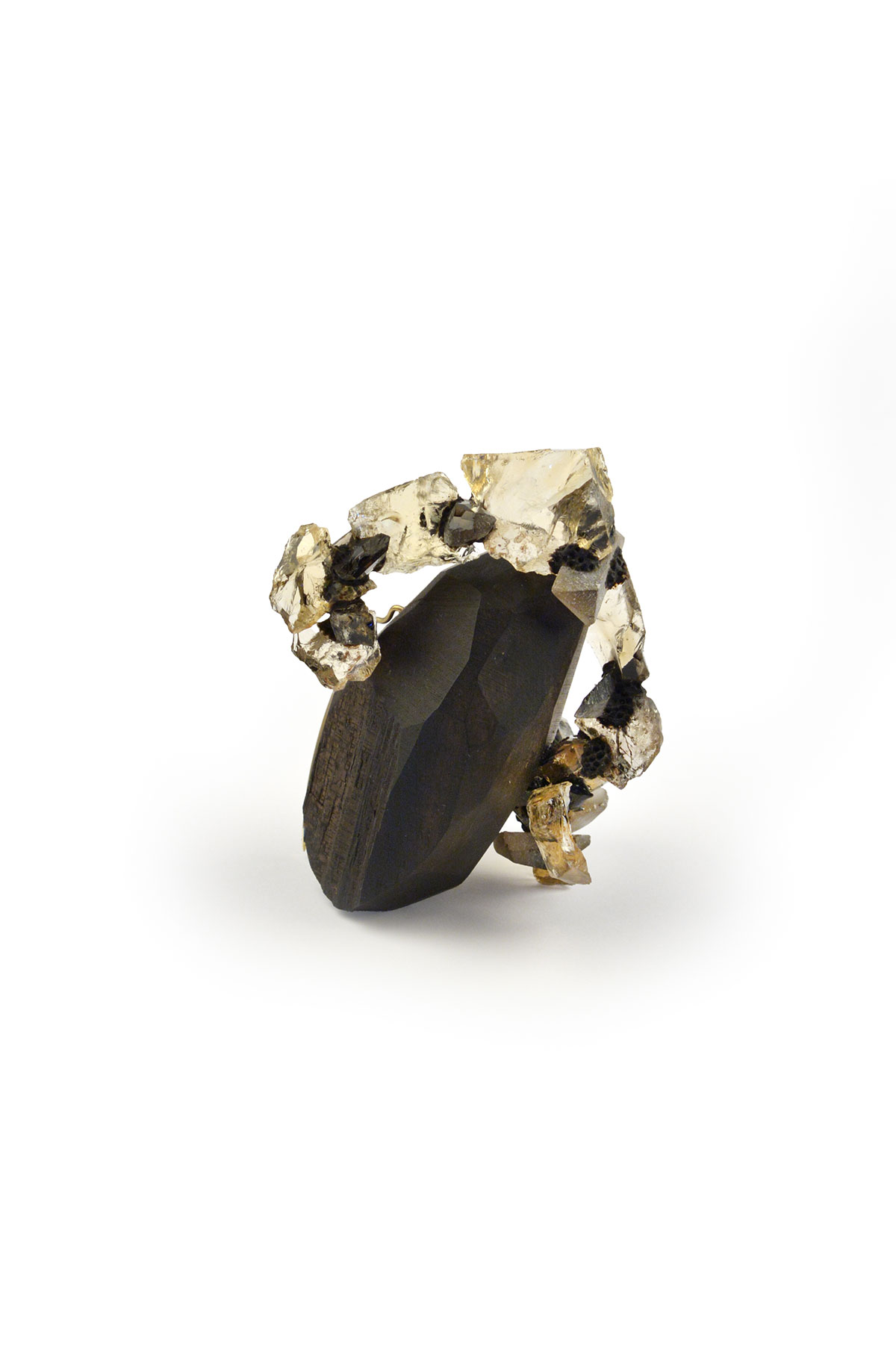
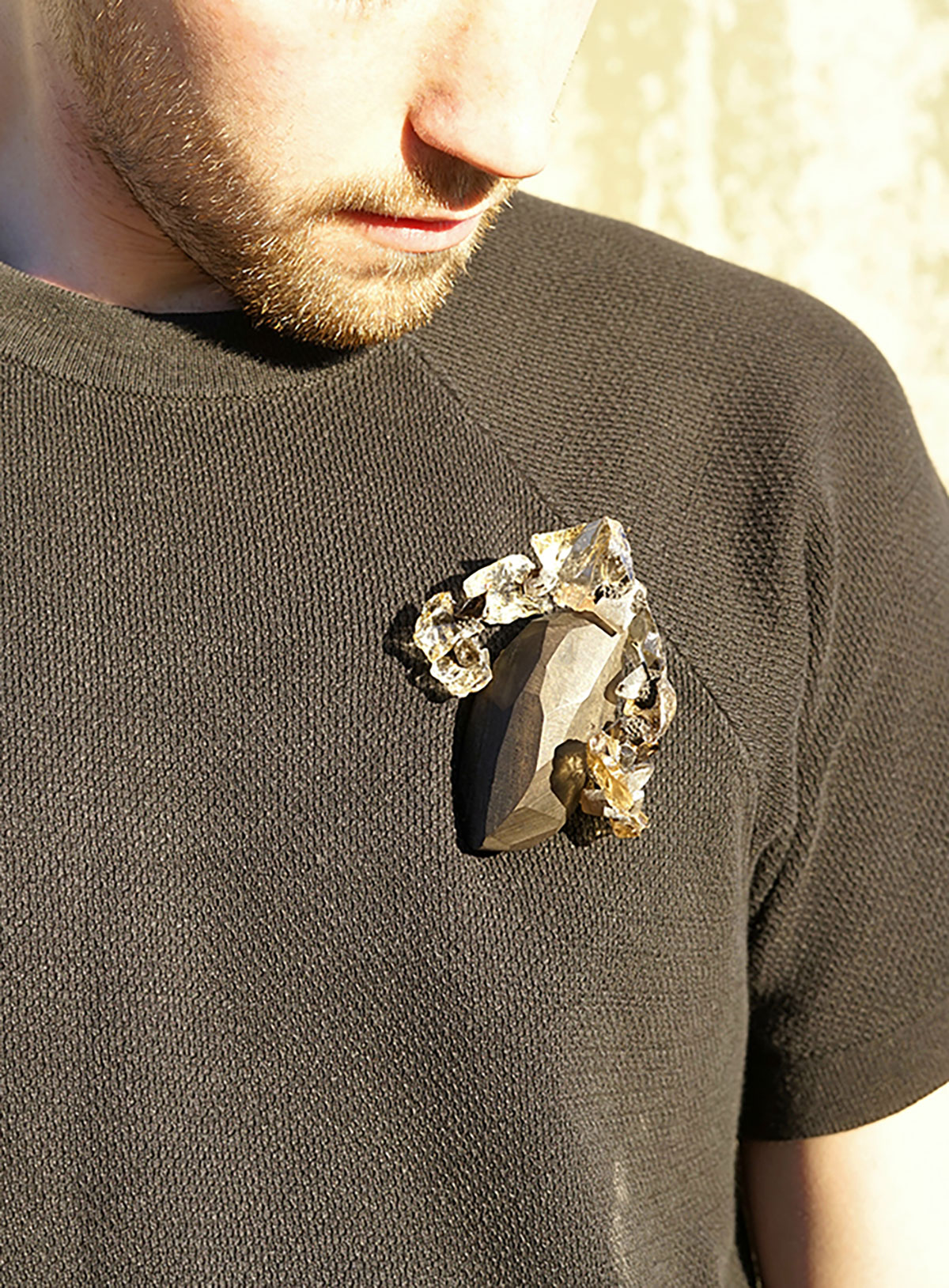
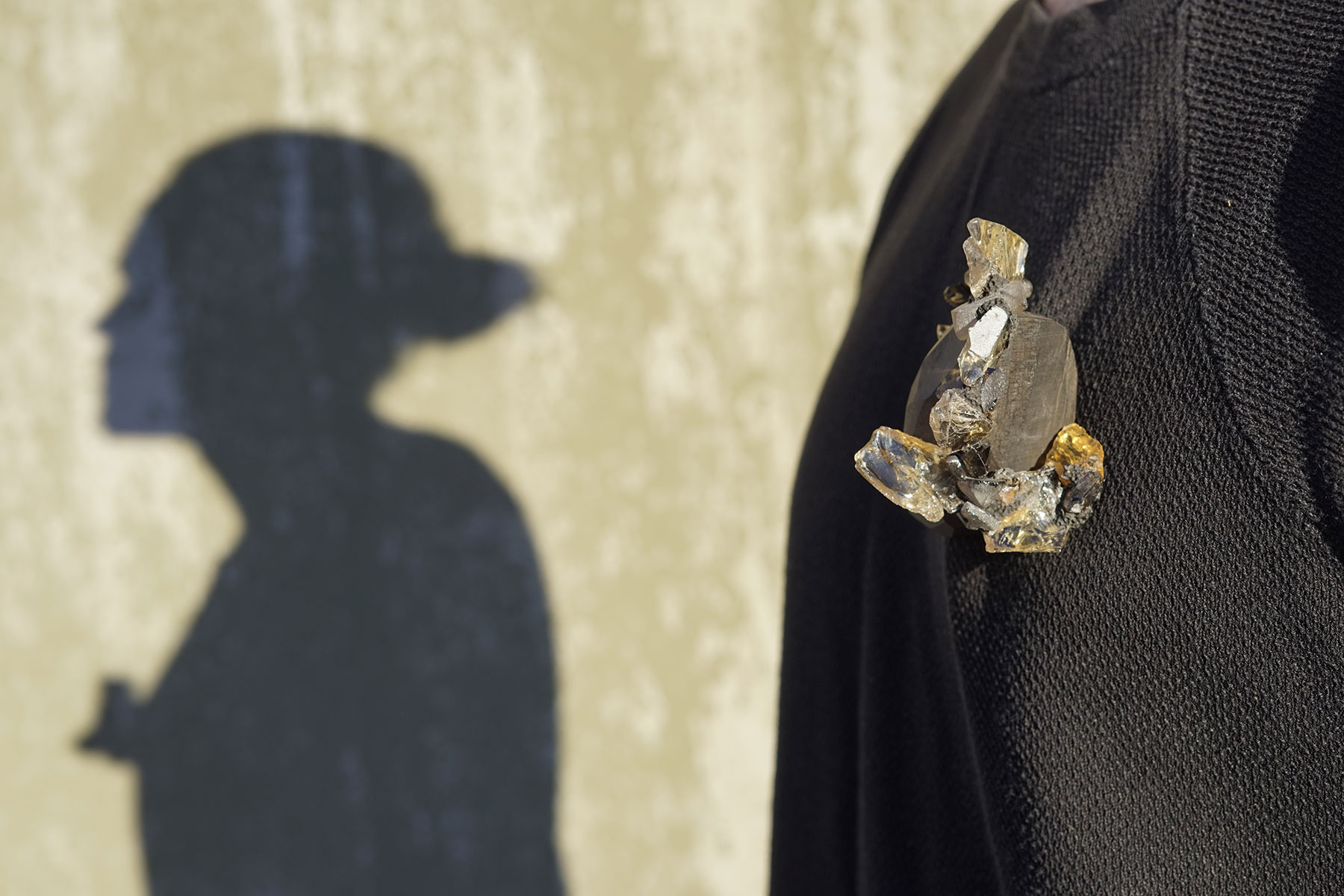
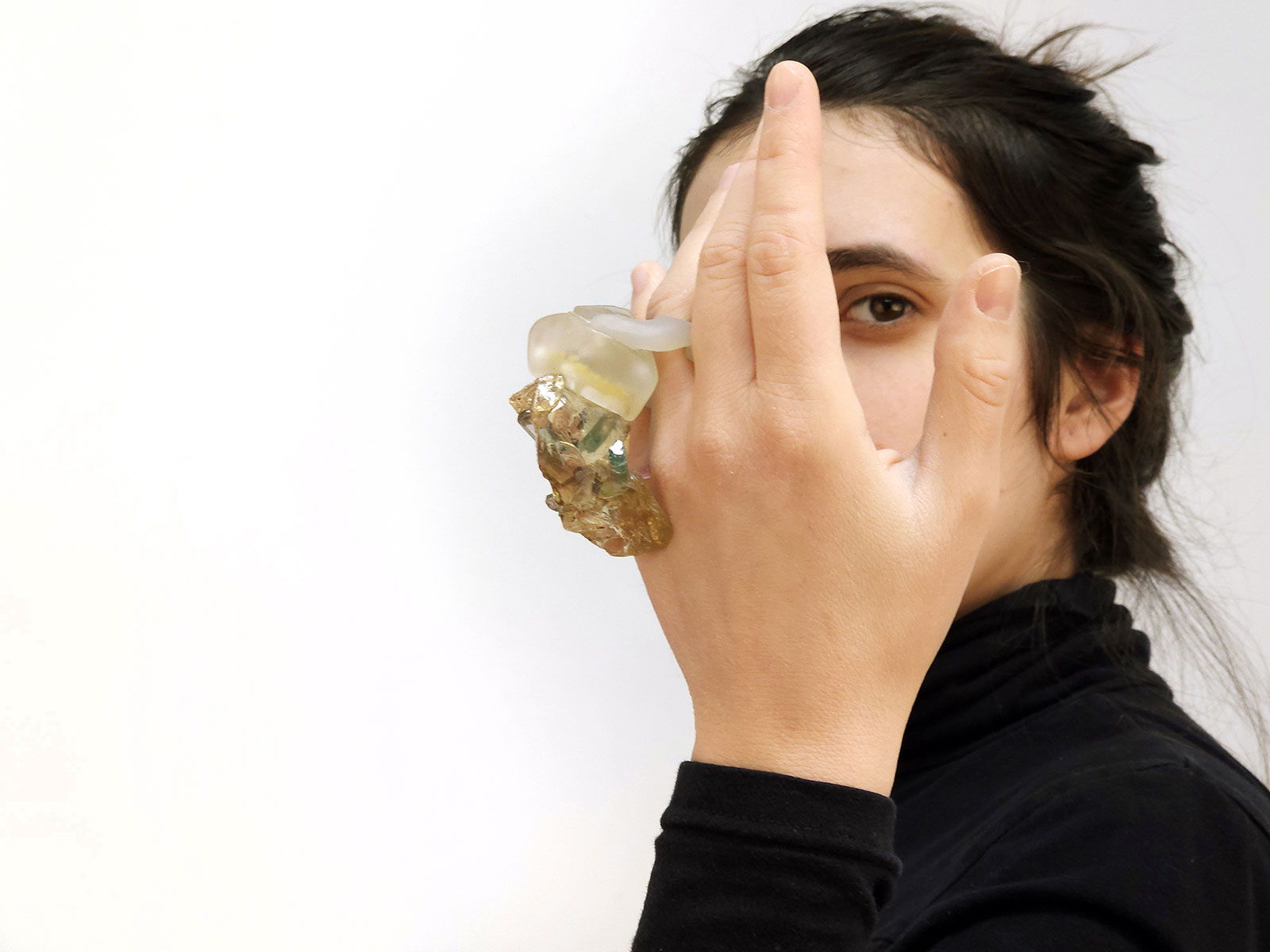
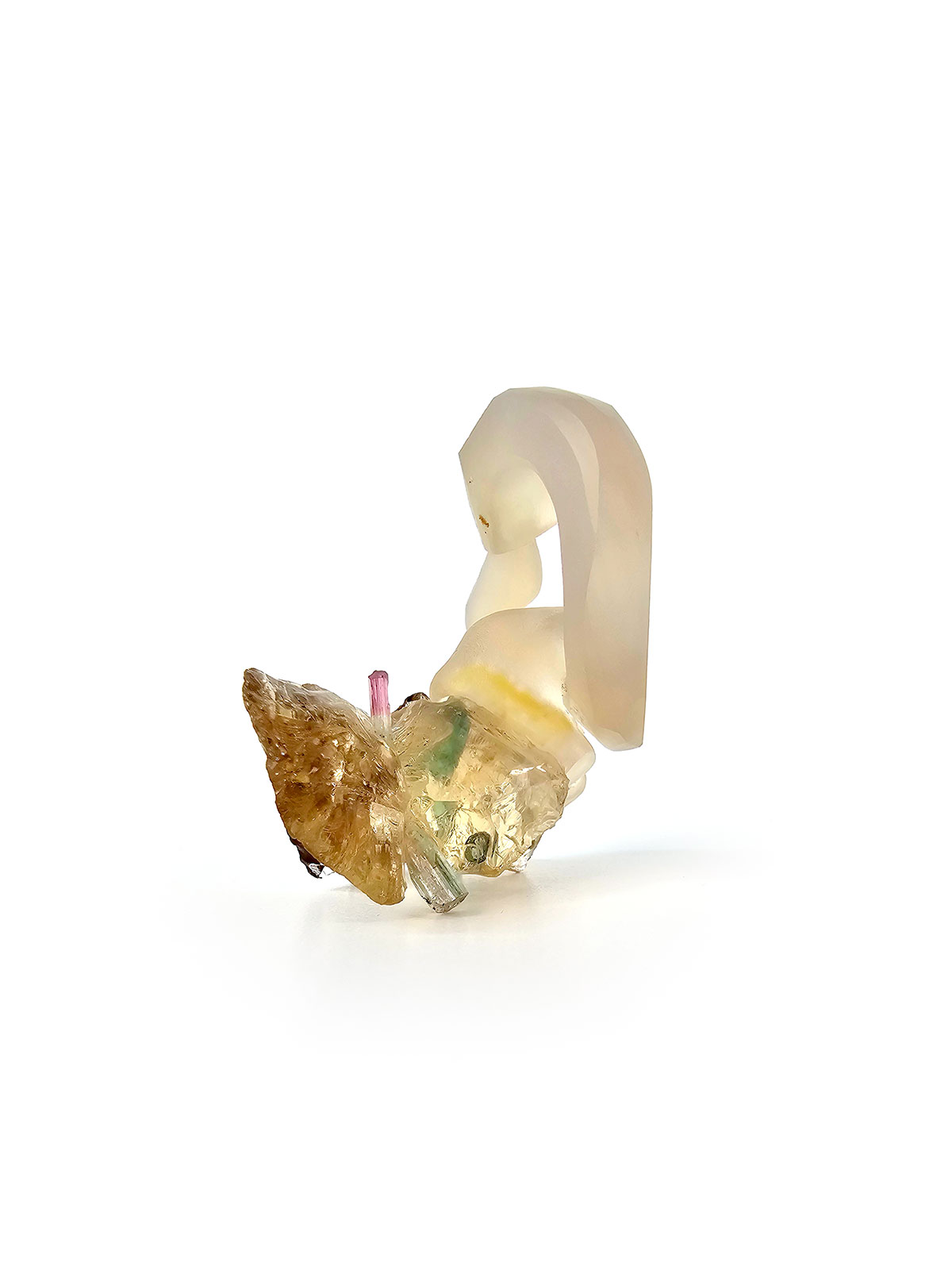
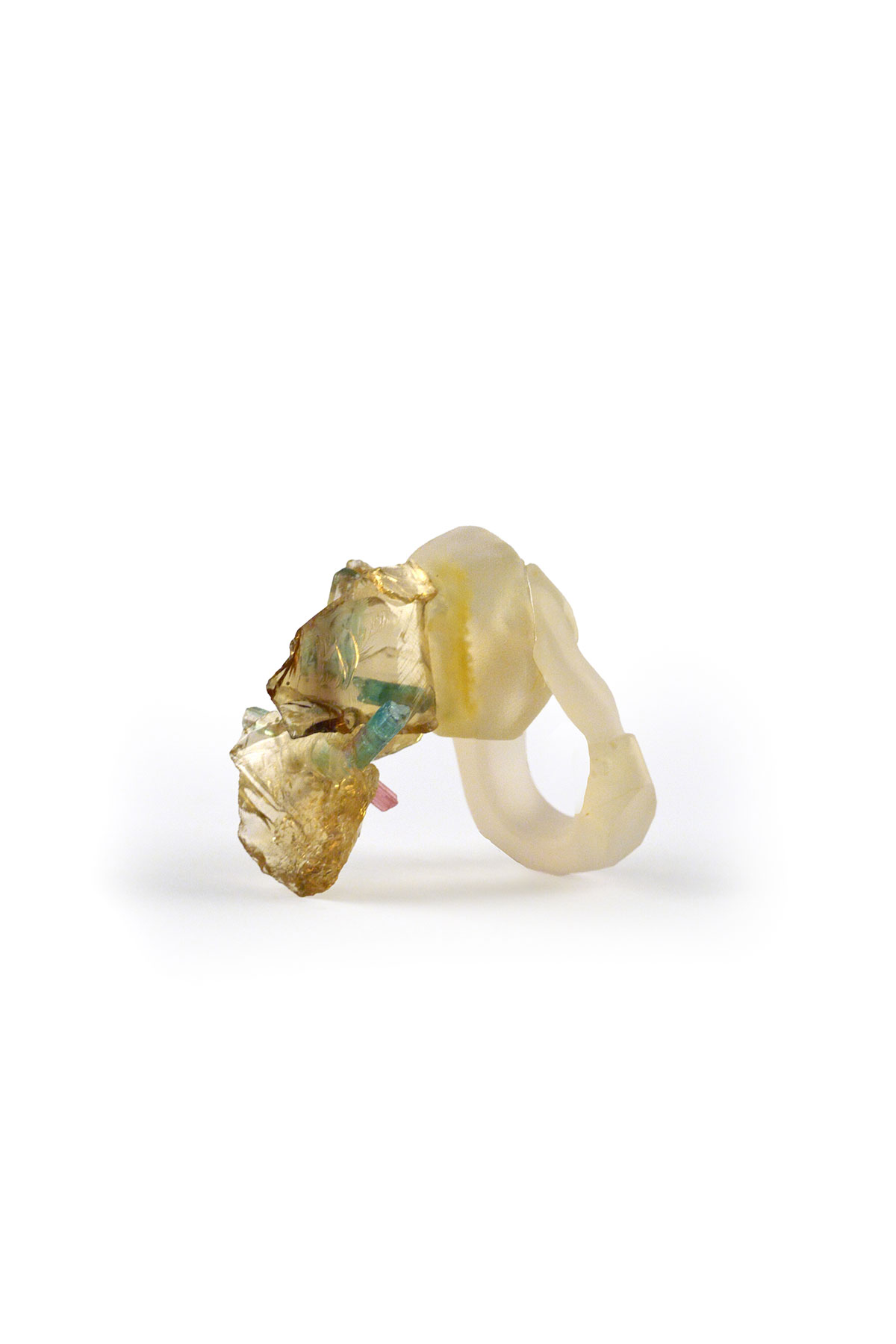
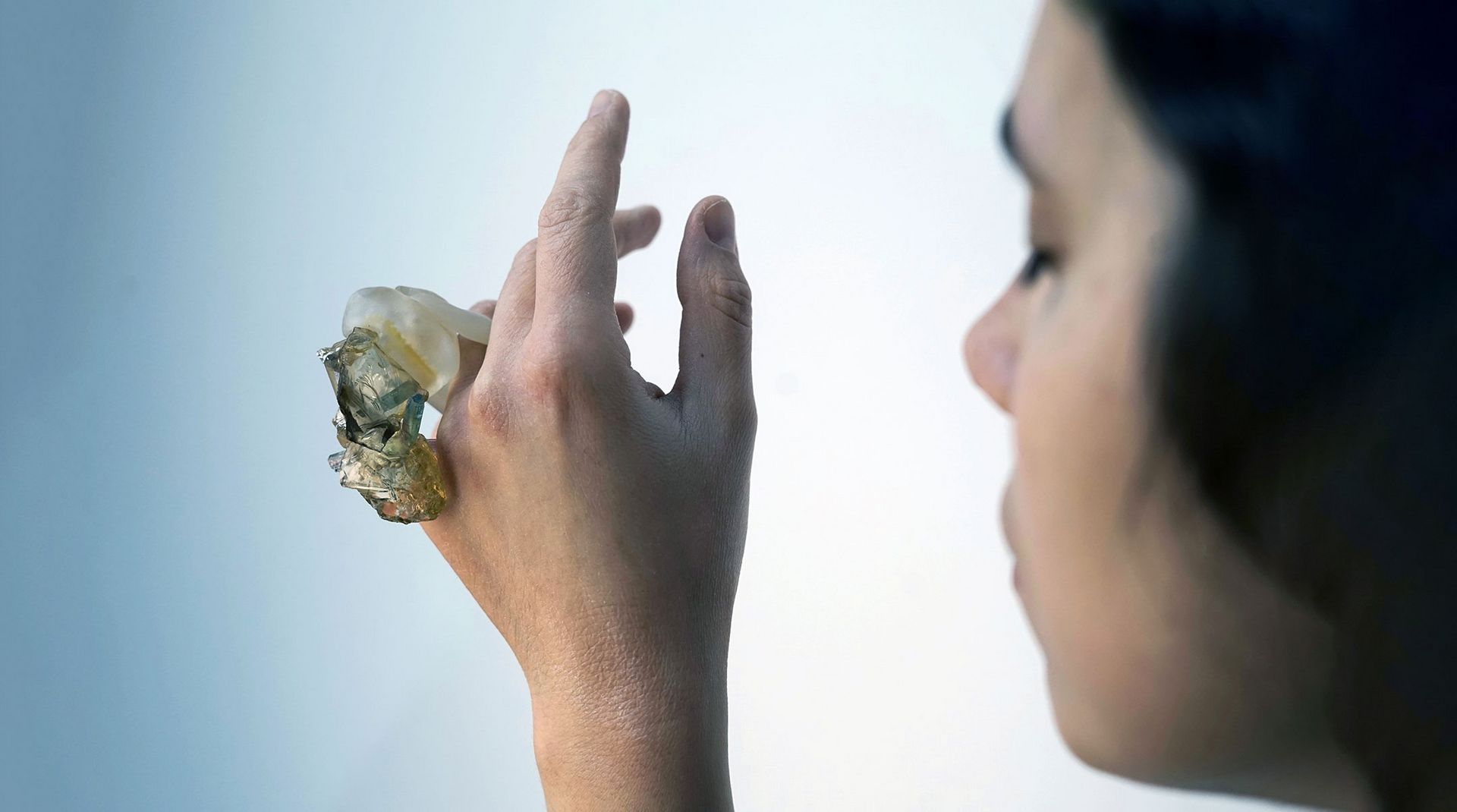
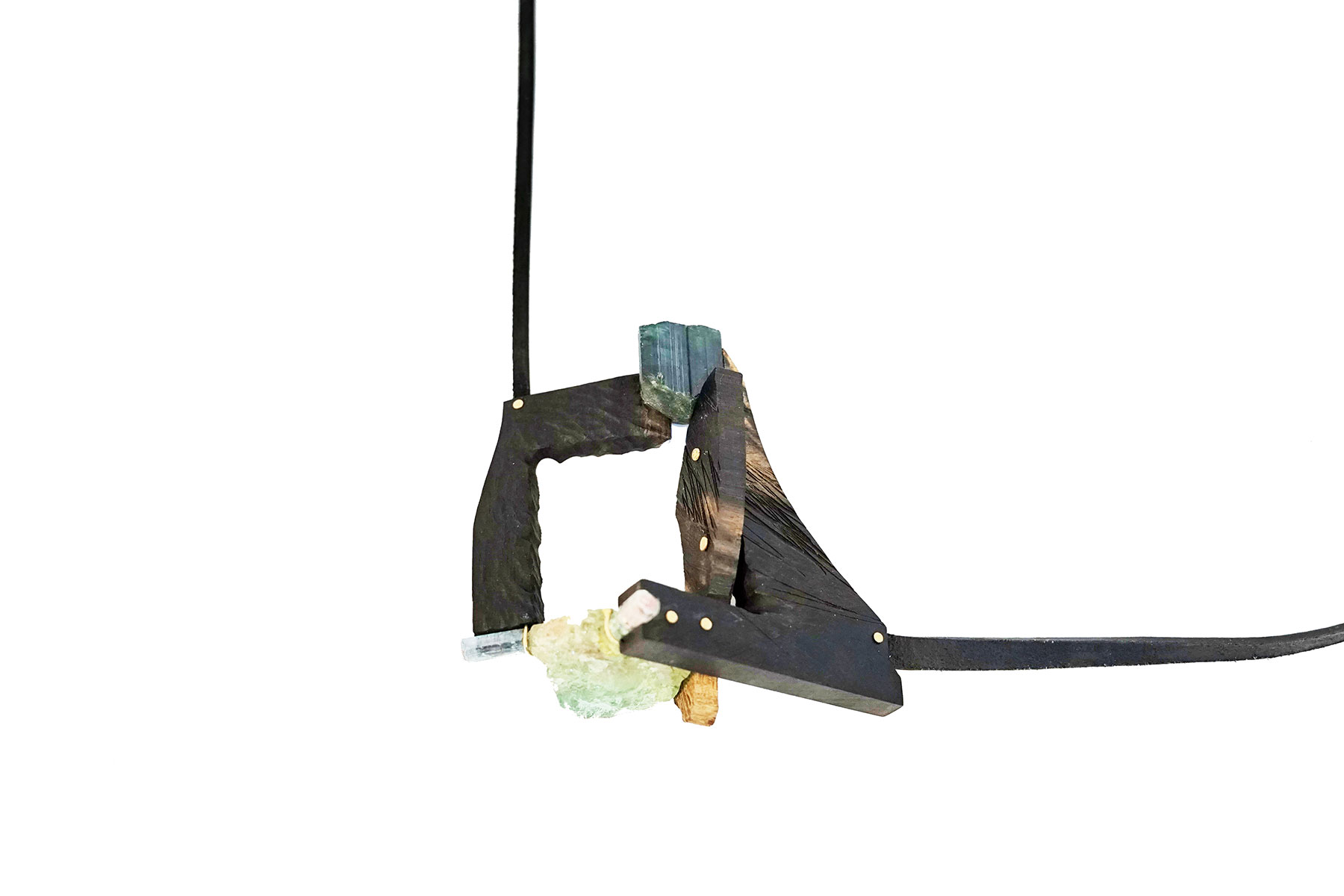
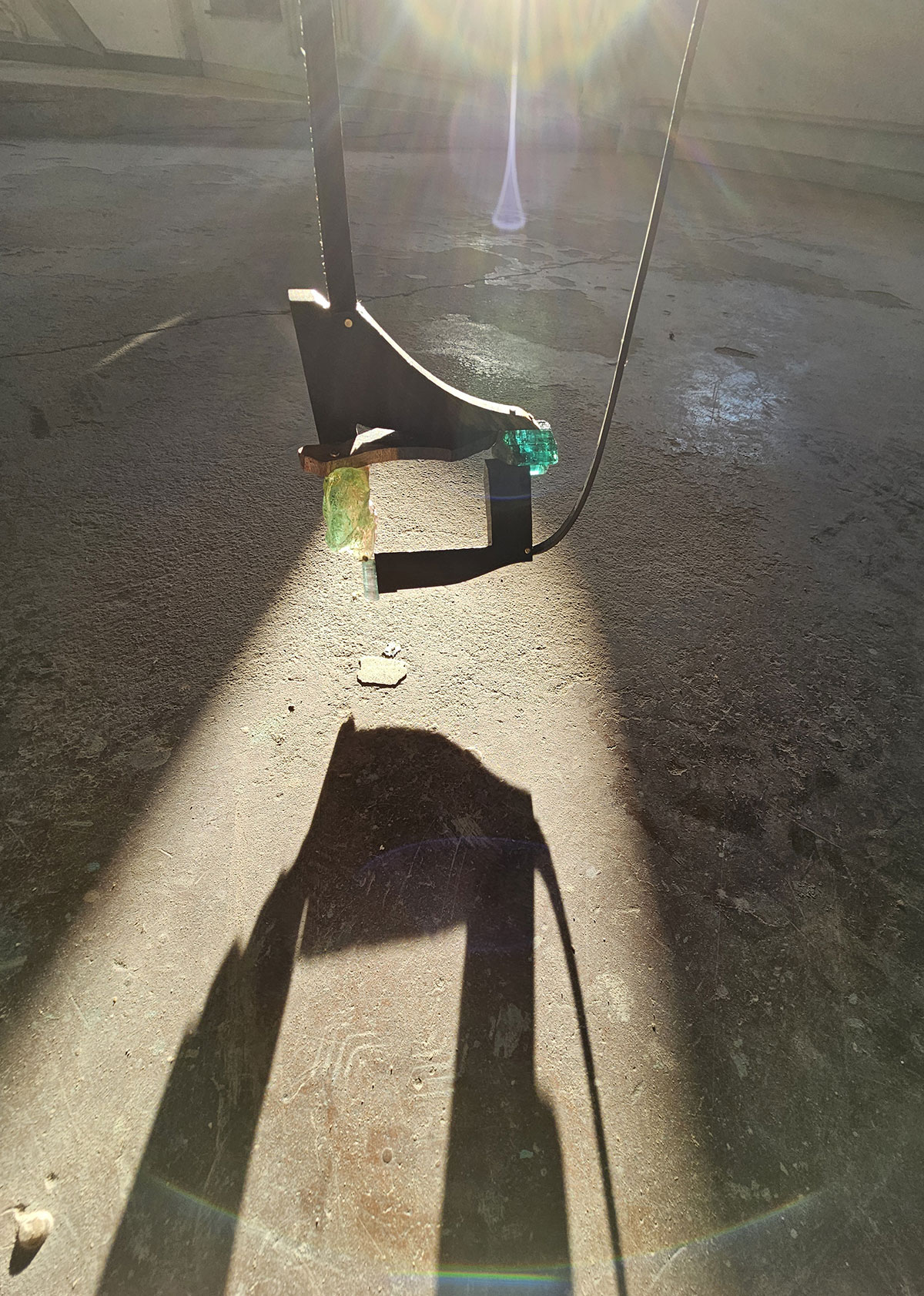
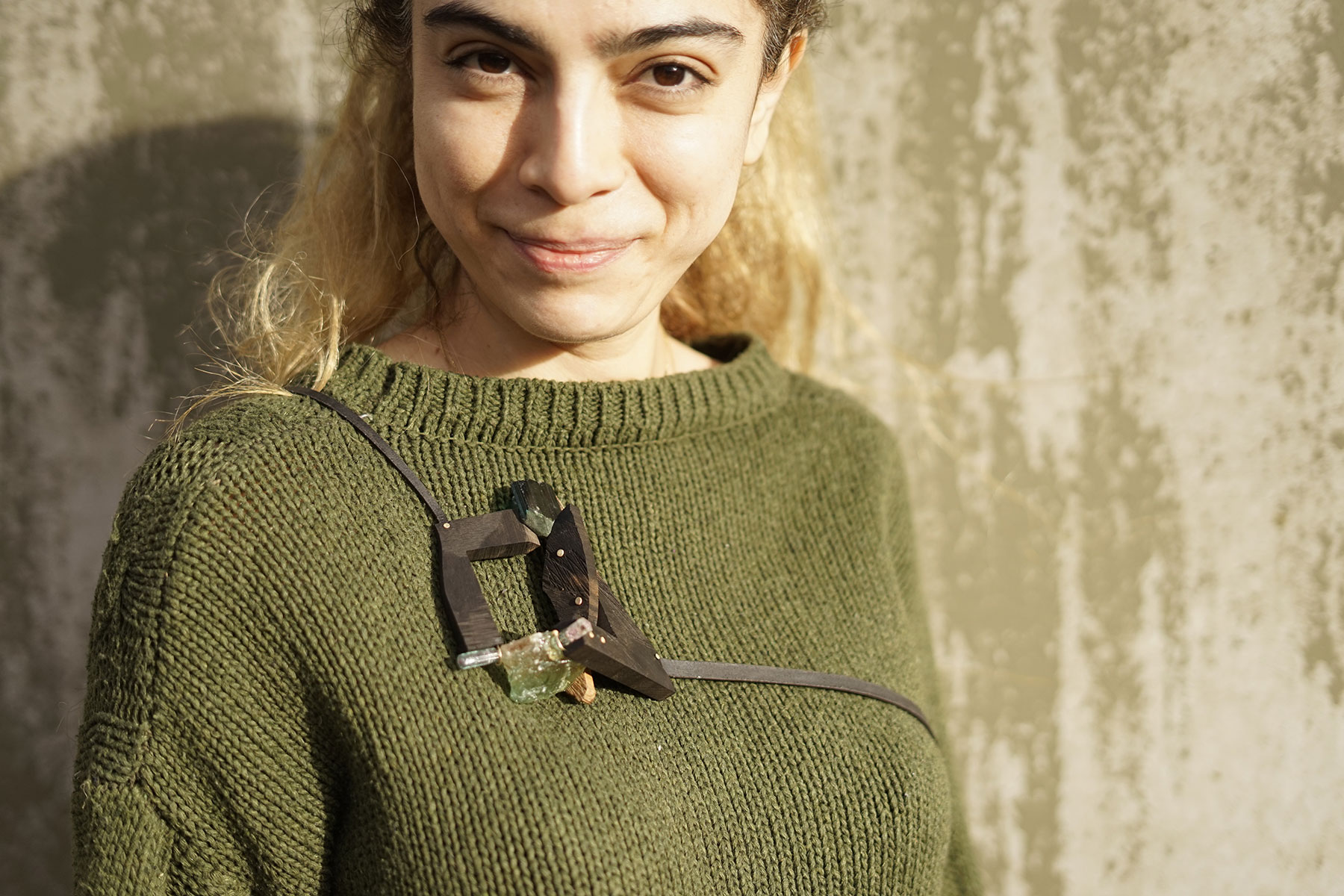
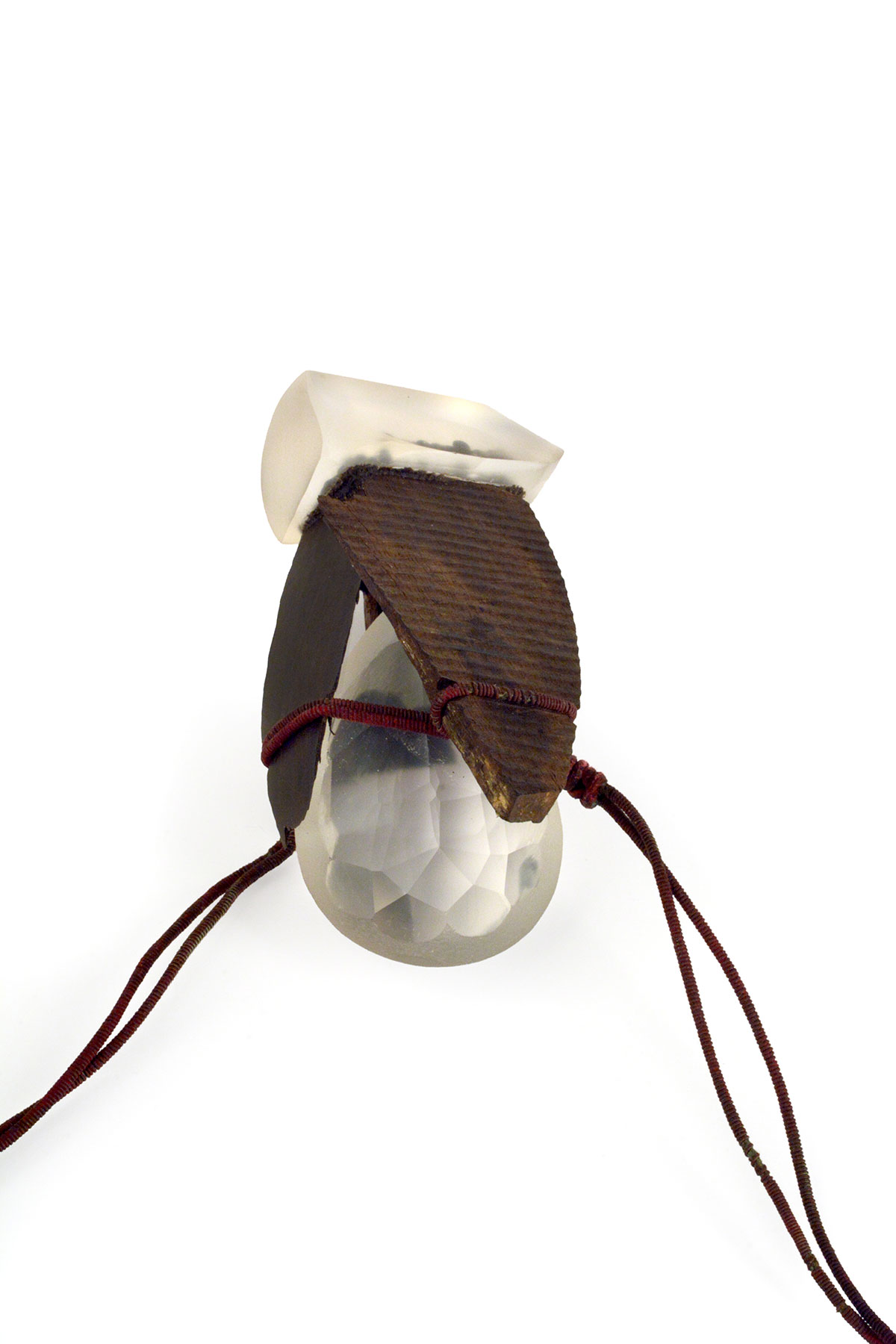
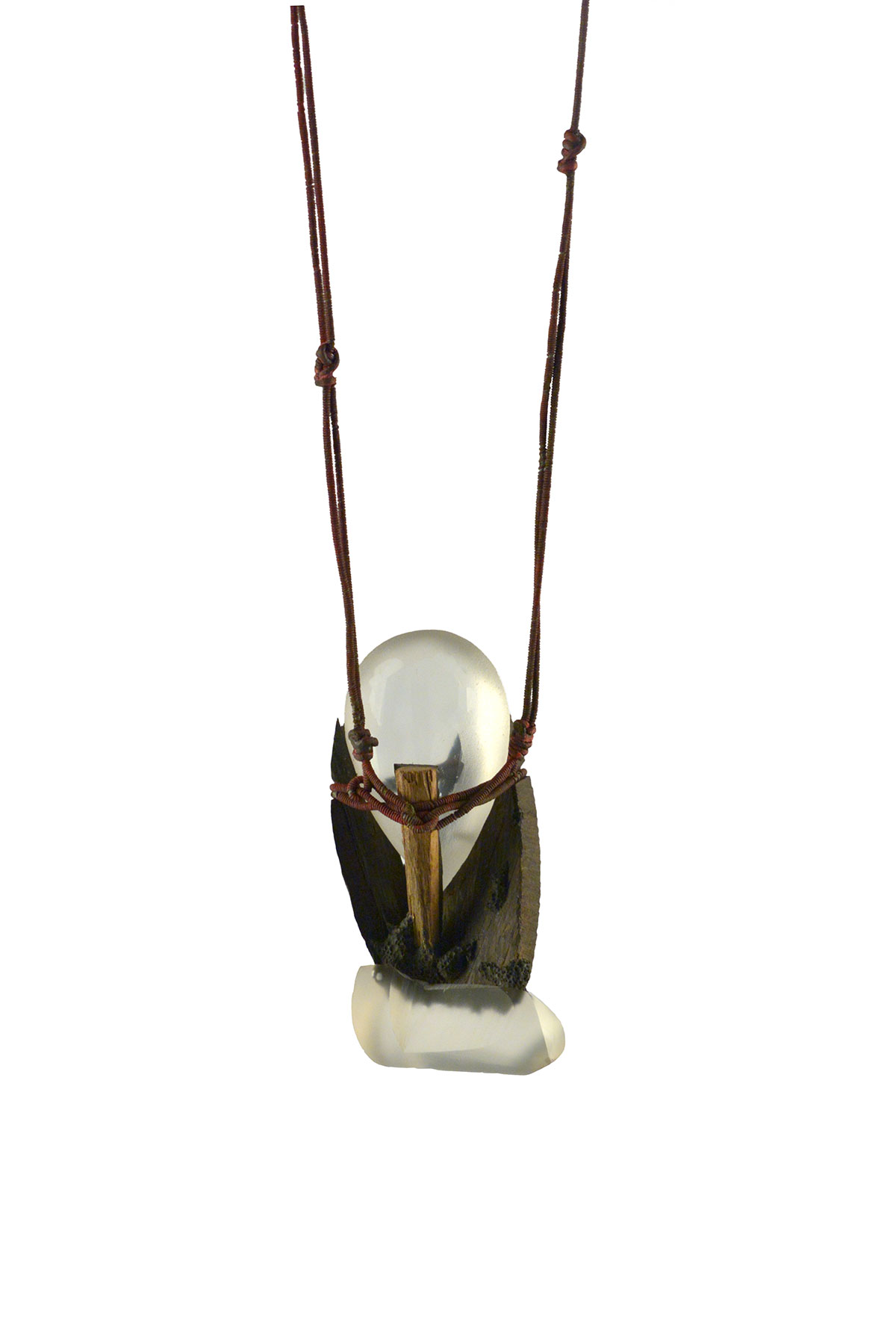
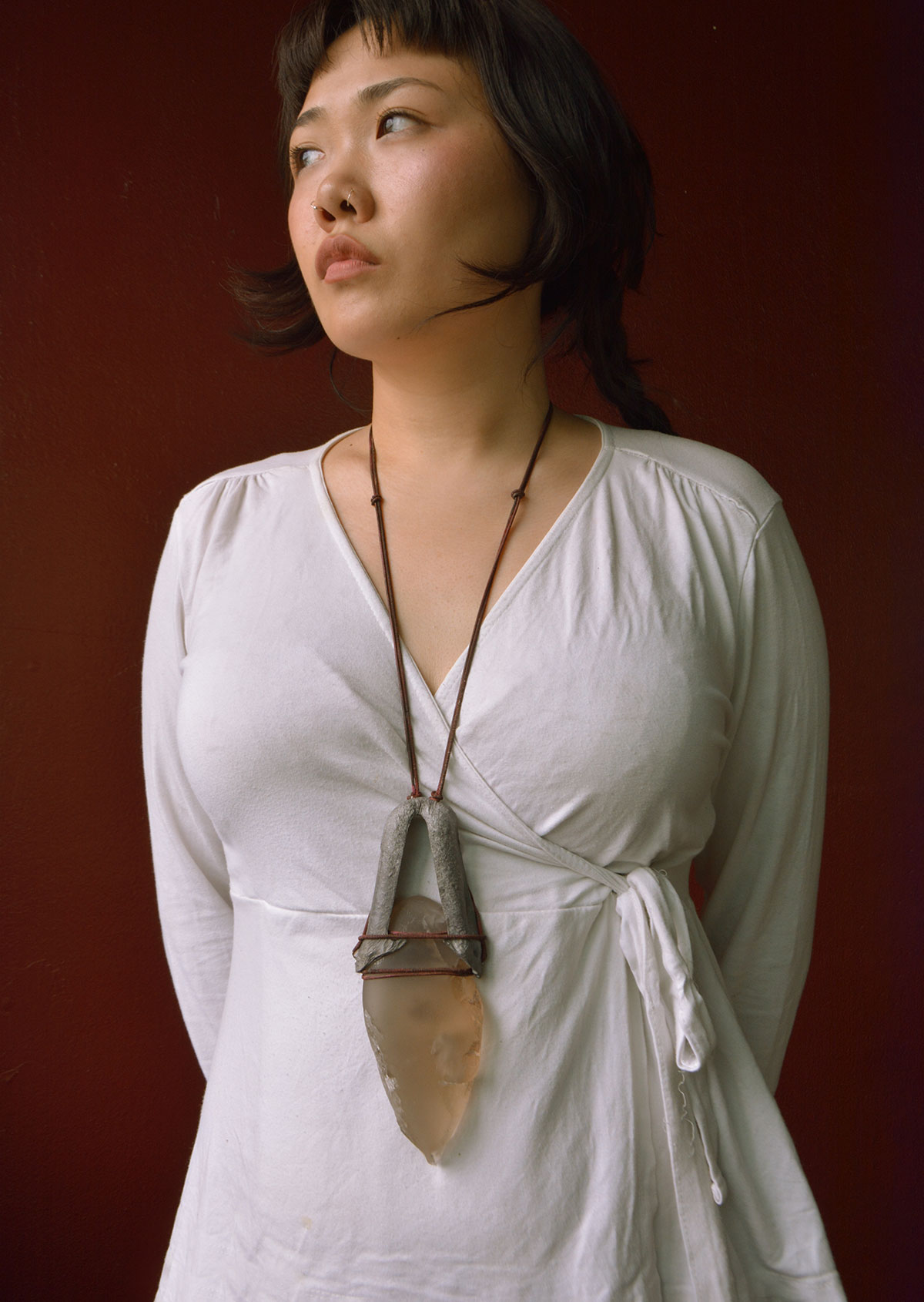
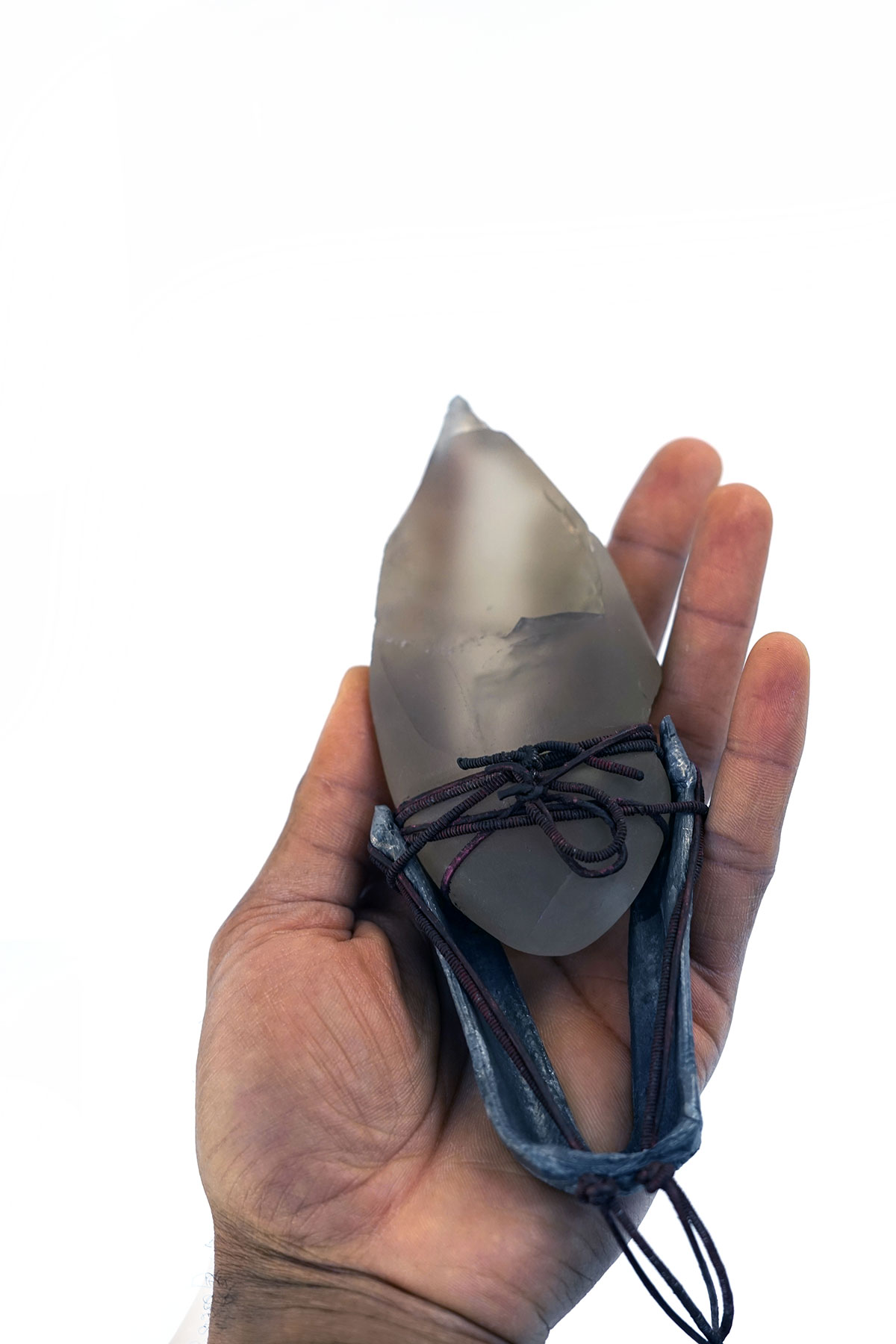
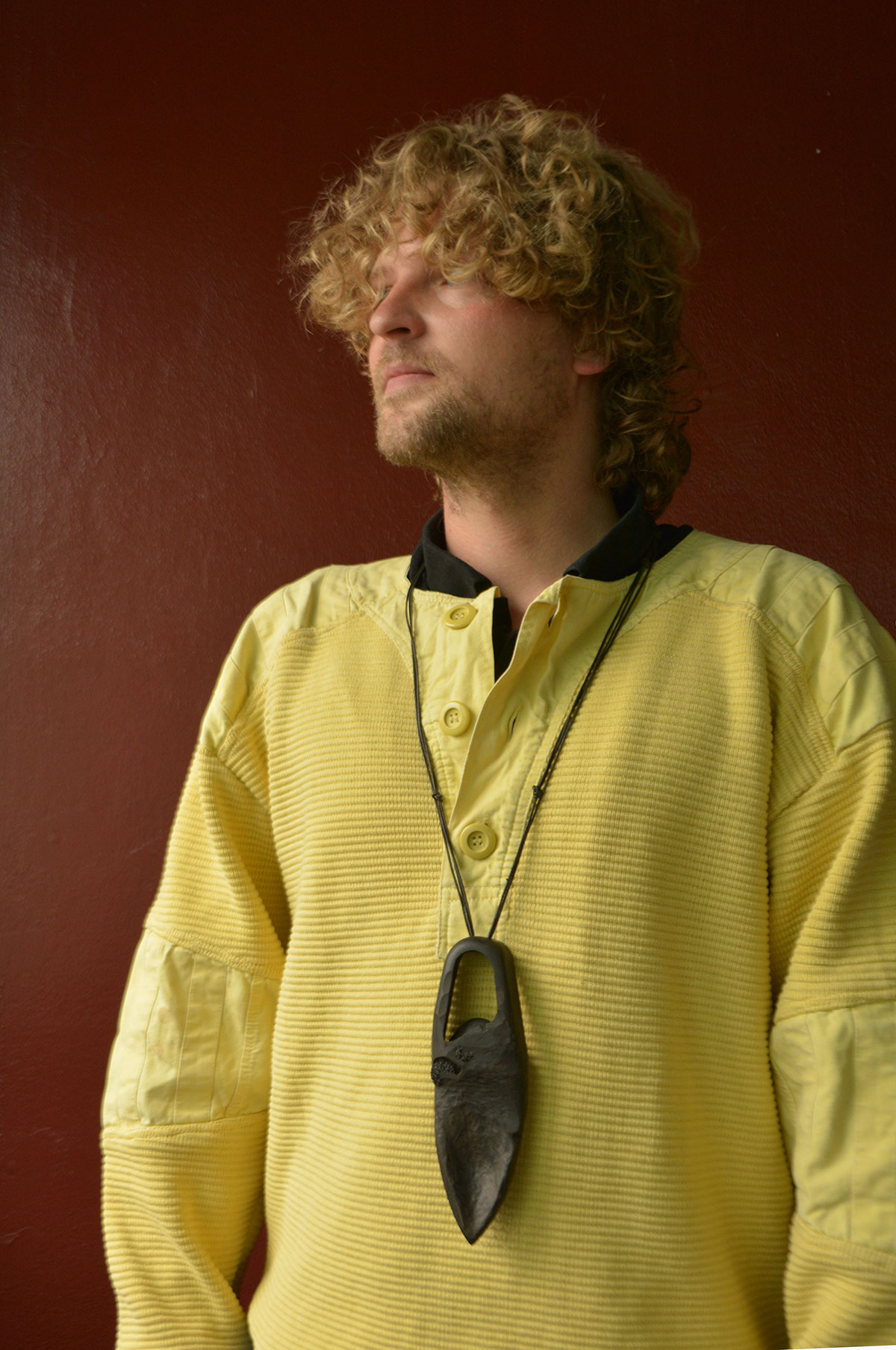
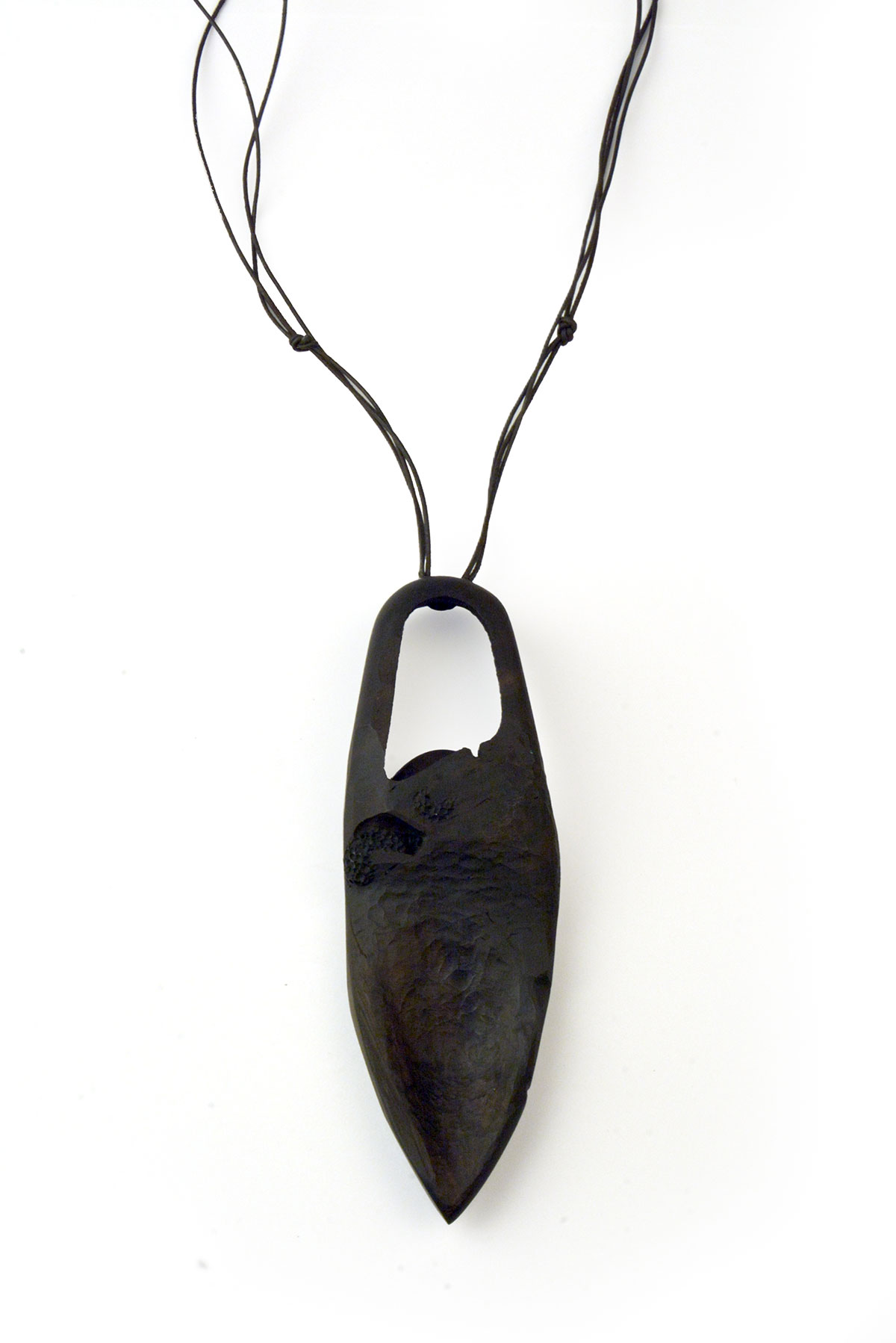
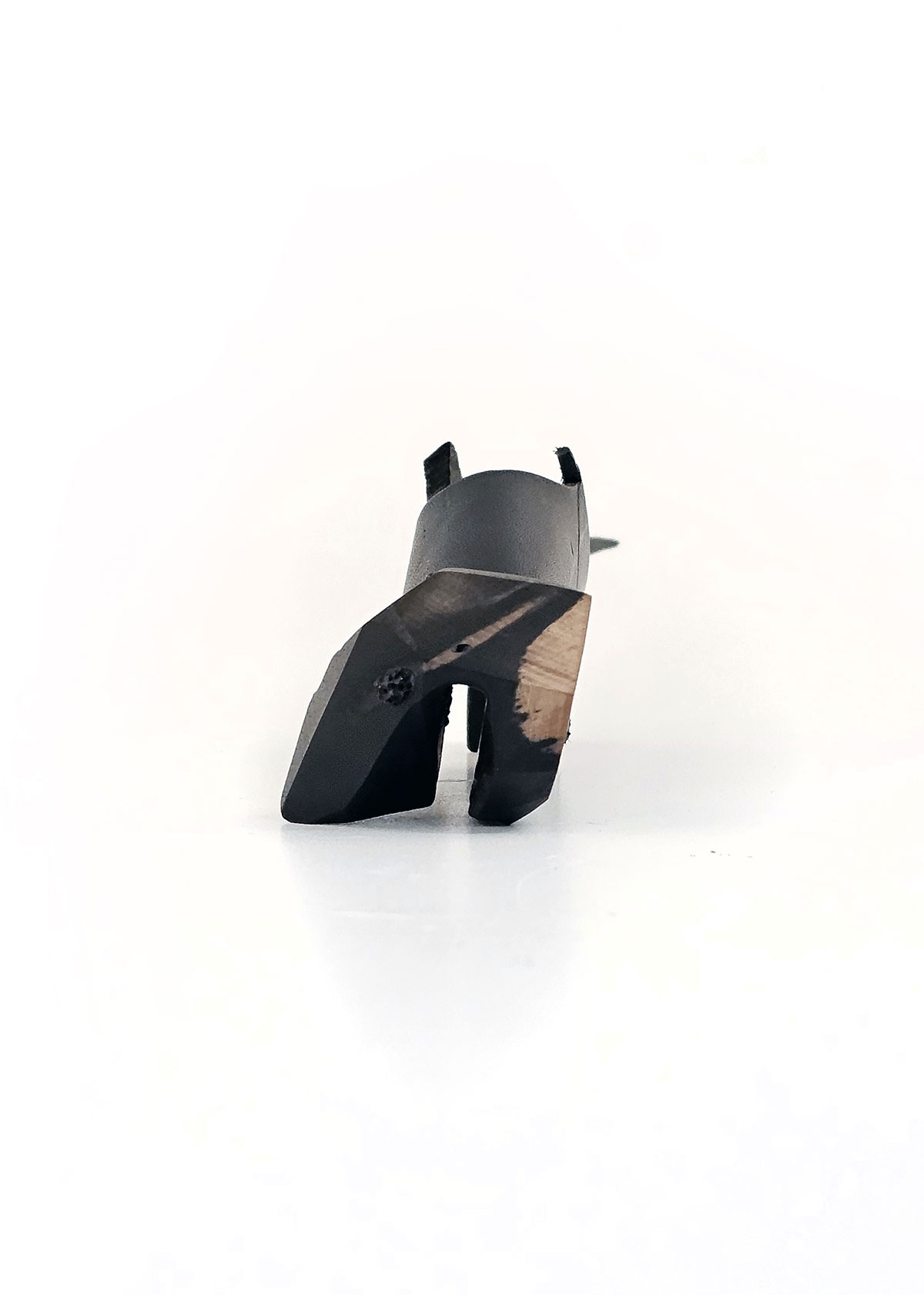
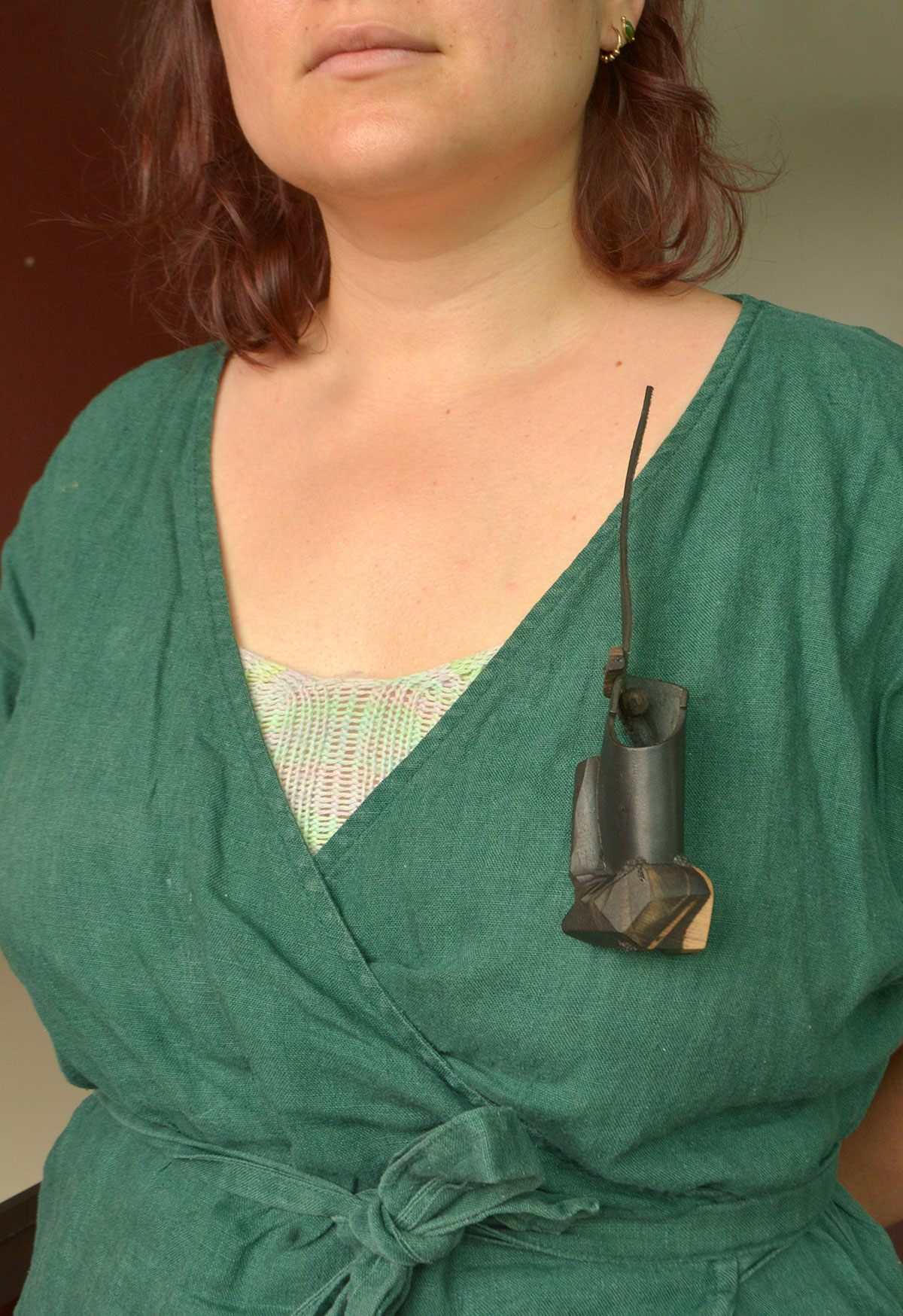
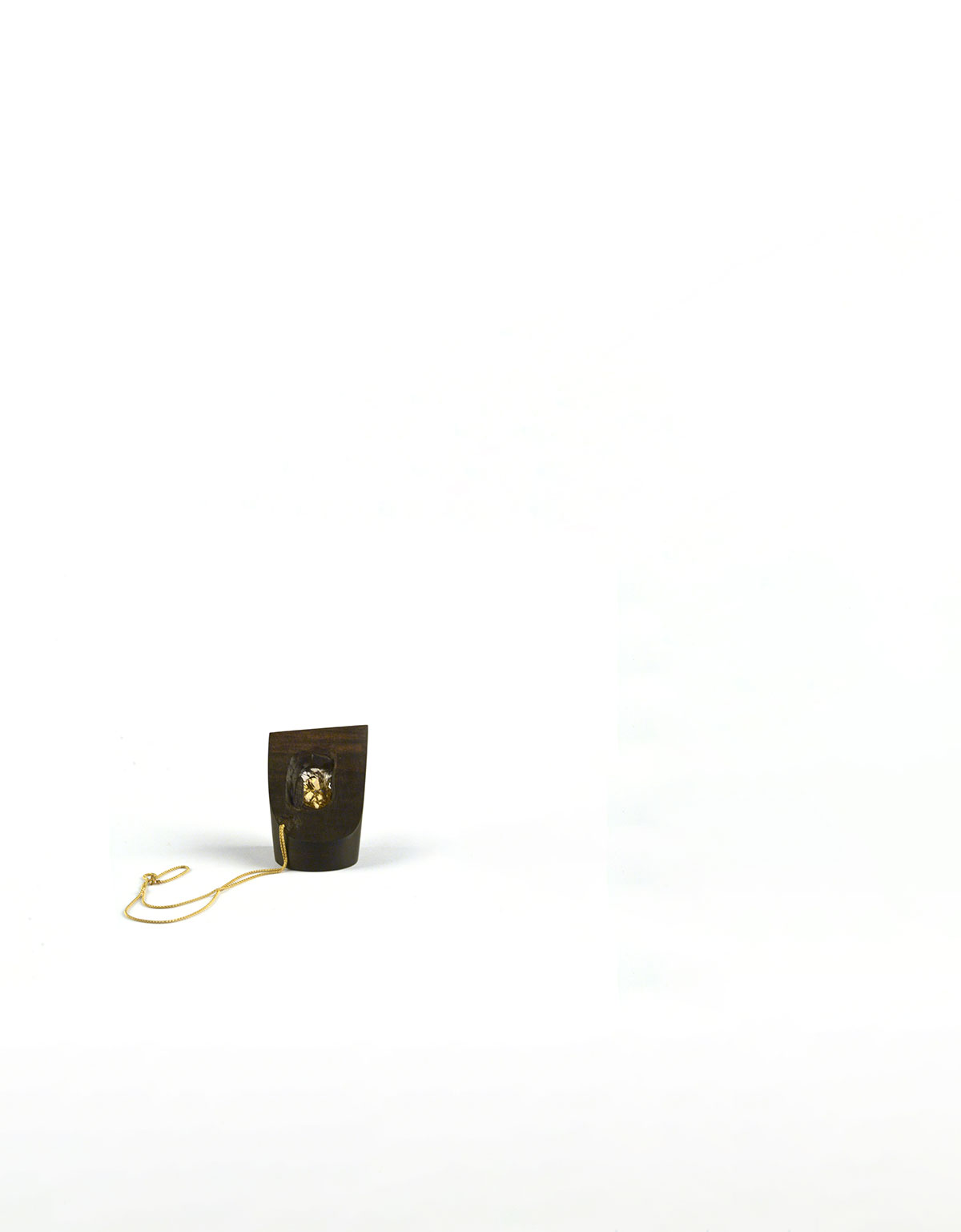
Building upon this discourse, the thesis redefines jewelry as an extension of the mask, exploring wearable art and its transformative impact as representational masks. While masks traditionally exist within ceremonial, theatrical, and ritualistic contexts, jewelry introduces the potential for a more personal engagement with transformation. The study of the Queen Idia pendant mask serves as a critical point of discussion, revealing how jewelry can function as a vessel for accessing the transformational attributes of the mask in contemporary society. Unlike masks, which are often bound by limitations of time and space, jewelry offers a more fluid and accessible means of engaging with shifting identities.
This discussion challenges conventional definitions of adornment, positioning both masks and jewelry as tools for mediating identity transformation and self-expression. By considering jewelry as a wearable mask, this thesis explores how adornment can serve as a bridge between the physical and the immaterial, allowing the wearer to exist in a continuous state of metamorphosis. In a contemporary world constrained by time, space, and rigid social structures, jewelry, like the mask, allows its wearer the ability to defy these boundaries and better express unique identities."
You are leaving the official website of Trier University of Applied Sciences